


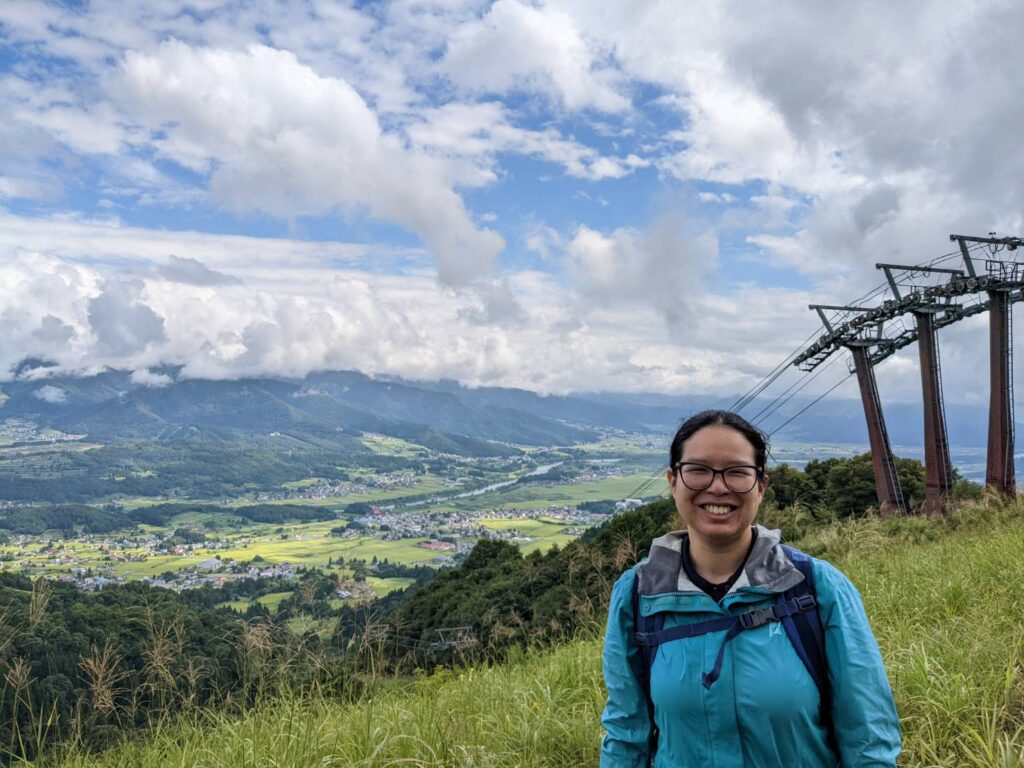
Gloria Cho has been Iiyama City’s Coordinator for
International Relations since December 2021. She is from Canada but calls
Iiyama City her second home. She loves Japanese traditional crafts and culture,
and enjoys traveling in Japan.
Japan’s summer heat can be intense, especially in the bustling concrete jungles of Tokyo and Osaka. However, Iiyama City offers a refreshing escape with its cooler, more comfortable climate. It is a popular destination for those looking to enjoy pleasant weather and immerse themselves in outdoor activities. Curious about what is on offer? Let me guide you through a 3-Day/2-Night itinerary packed with nature, culture, and unforgettable experiences, all easily accessible using public transportation!
Day 1: Crafts
and Landscapes of Iiyama City
Arrive in Iiyama mid-morning by shinkansen from Tokyo, then store your luggage at the station. From there, head to the Iiyama Handicraft Paper Studio, just a 10-minute walk away, to create your very own Uchiyama Japanese paper.
Iiyama Handicraft Paper Studio
Uchiyama Japanese paper is a certified Traditional Craft of Japan, renowned for its whiteness and durability. Join a fun washi-making workshop led by Hirata-san, where you will design your own paper. The cold-water bath used in the process is especially refreshing during the summer!
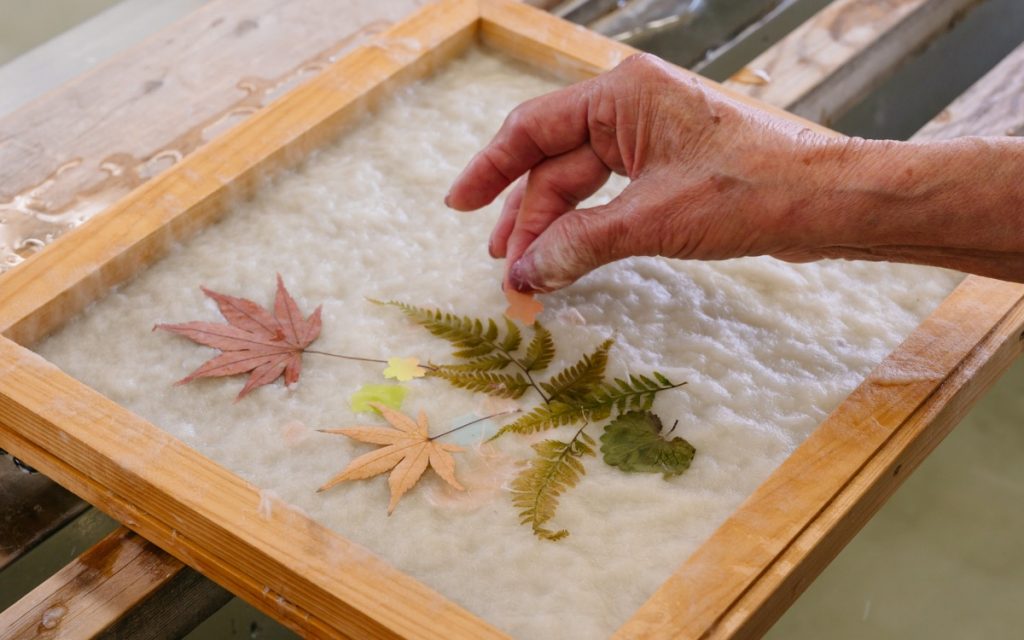
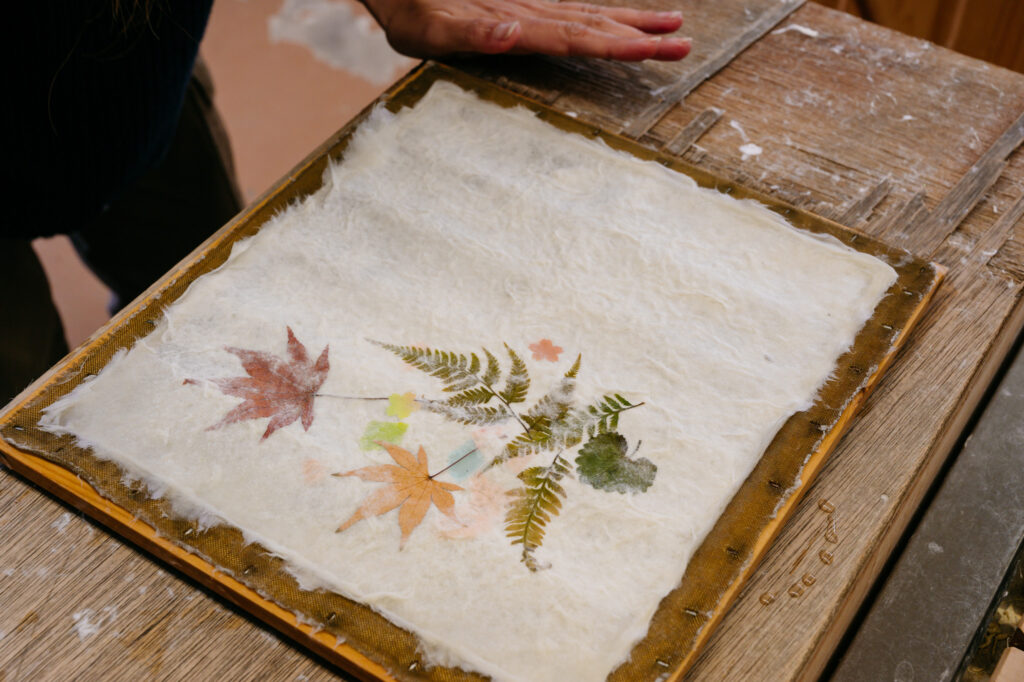
The cost for creating a postcard-sized washi is just 210 yen, while a colored washi is 520 yen. Please visit this website for more information about the workshop.
Museum Complex
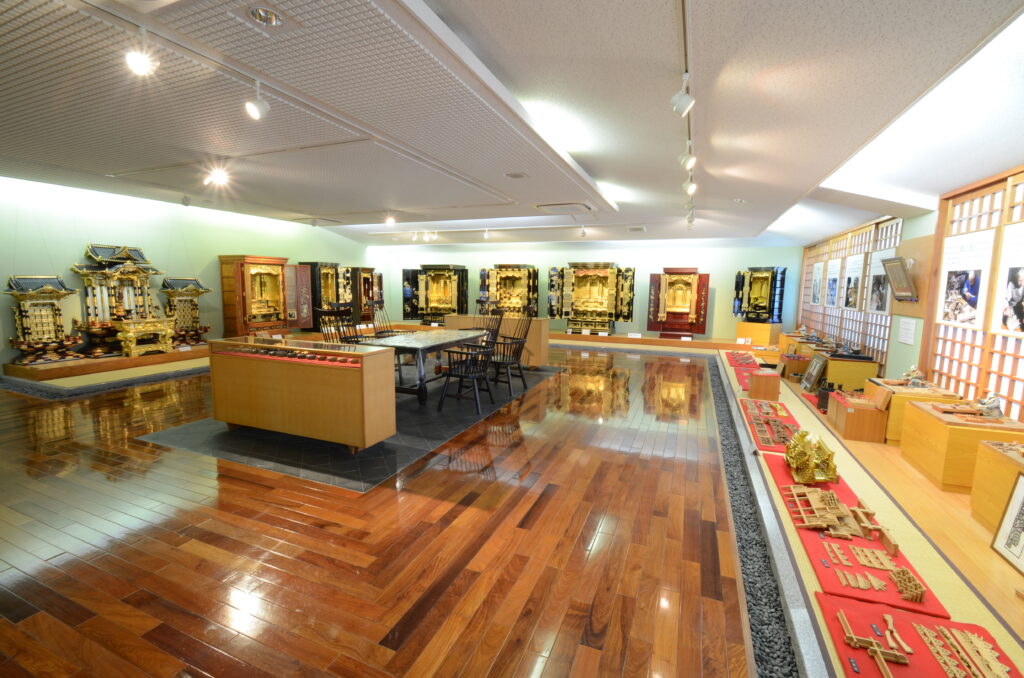
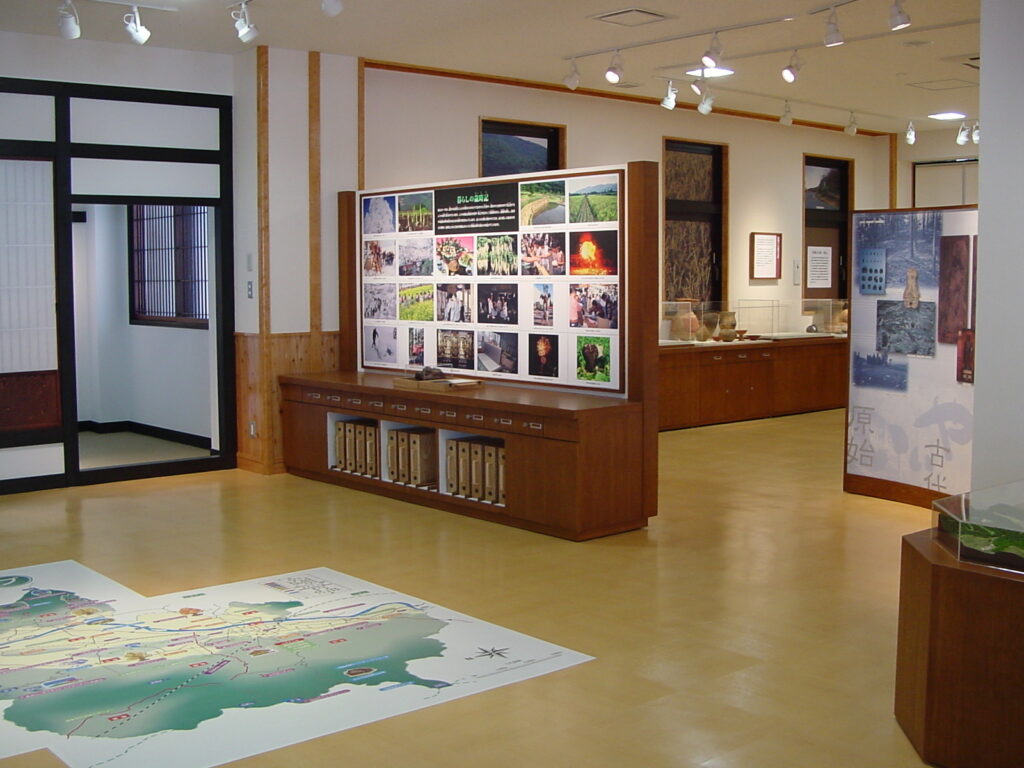
While your washi dries, head to the nearby museum complex to explore the traditional craft, art and history of Iiyama City at Iiyama City Art Museum, Iiyama City Museum of Traditional Arts (inside the Art Museum), and Iiyama Furusato Hall.
*If you plan to follow my itinerary and visit the Mayumi Takahashi Museum of Doll Art the next day, the 4-museum combo ticket offers a better deal than separately buying admission tickets. The 4-museum combo ticket allows you to visit all 4 museums once within six months upon purchasing the ticket.
Lunch: Japanese Food in Downtown Iiyama
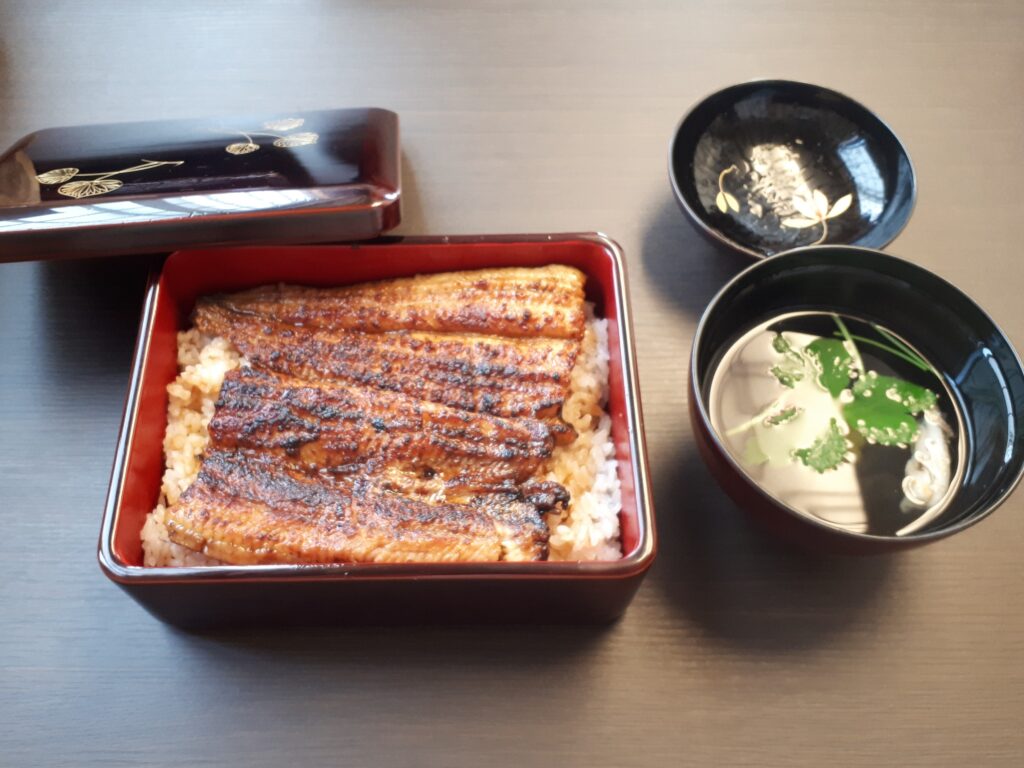
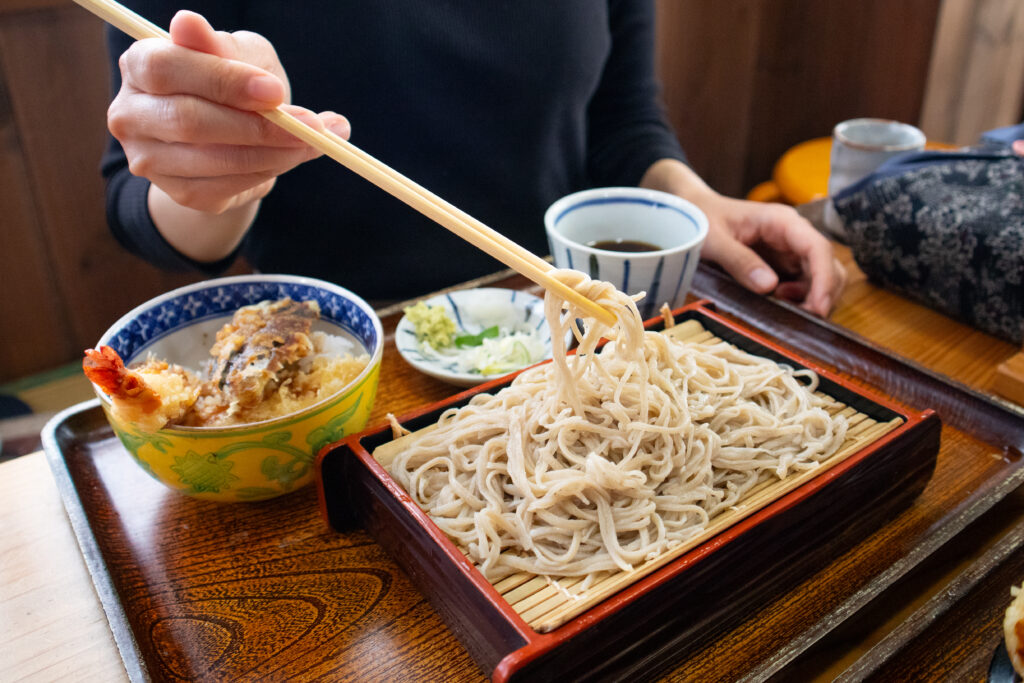
After picking up your washi paper, head to Downtown Iiyama’s shopping street for a mouth-watering lunch. You can enjoy soba (buckwheat noodles), eel, sushi, and more! I highly recommend trying the eel because it is so good that people come from outside Nagano Prefecture, from places like Niigata, Tokyo, and Saitama, just to savor it. However, soba is also a great choice if you are hesitant in trying the eel.
Click here for a filtered list of restaurants.
2-Hour Charter Taxi Plan
Pick up your luggage at Iiyama Station and board your pre-booked charter taxi (inquire here) to explore the stunning landscapes of Iiyama City. I recommend stopping at the following four locations, with around 20 minutes at each, before arriving at Togari-Nozawa Onsen Station.
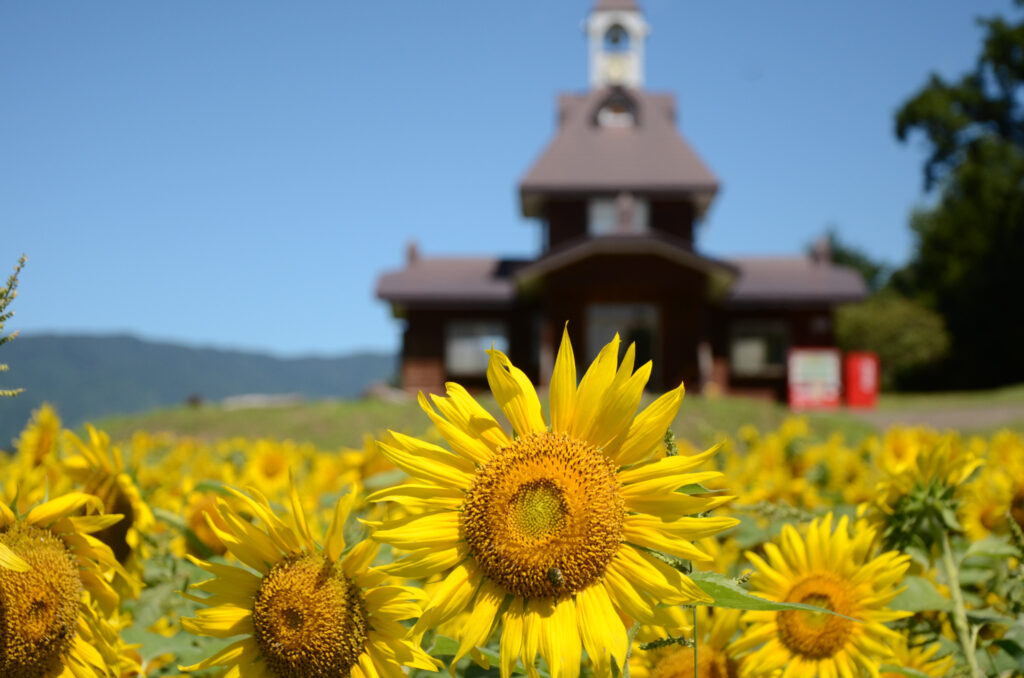
Nanohana Park (August 4 ~ August 16)
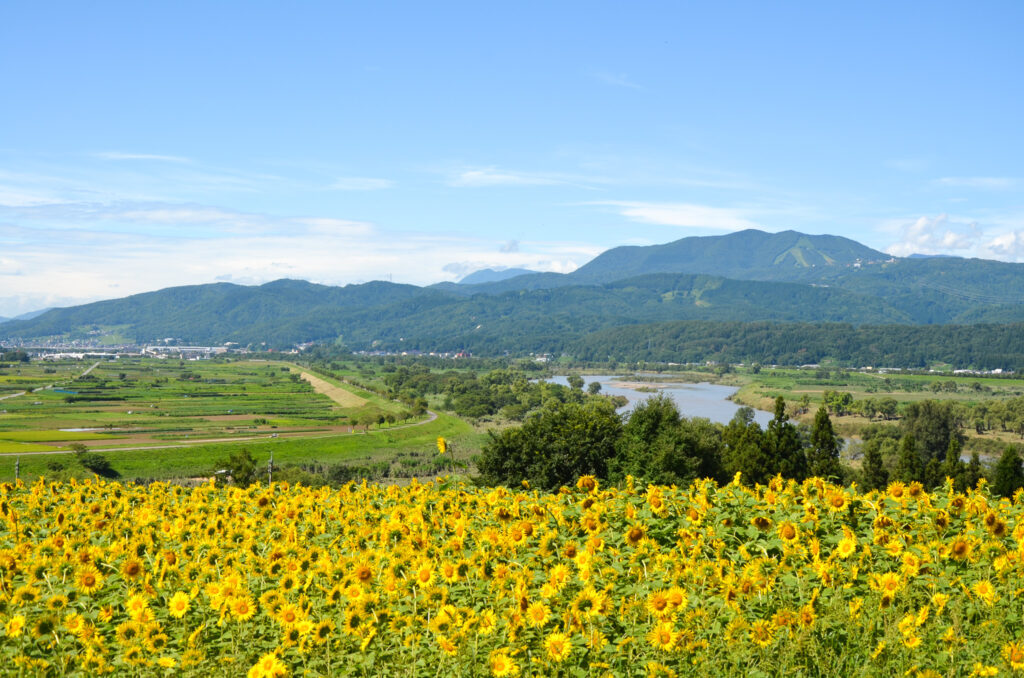
Nanohana Park gets its name from its signature plant, nanohana, which blooms yellow flowers in spring. However, due to crop rotation, sunflowers —also bright yellow, are planted in summer. These sunflowers typically bloom in early August and are harvested after Obon (around August 16) to prepare for the next round of nanohana cultivation.
Roadside Station Hana-no-eki Chikumagawa
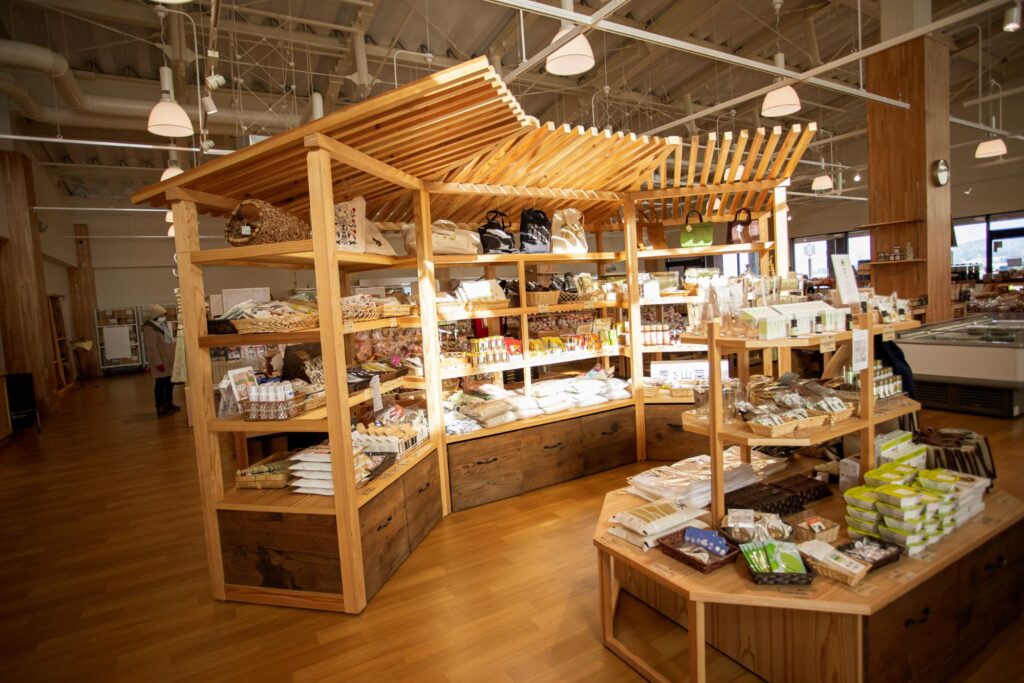
While the view from Nanohana Park is beautiful, if the yellow flowers aren’t in bloom, head to the roadside station for a mini shopping spree!
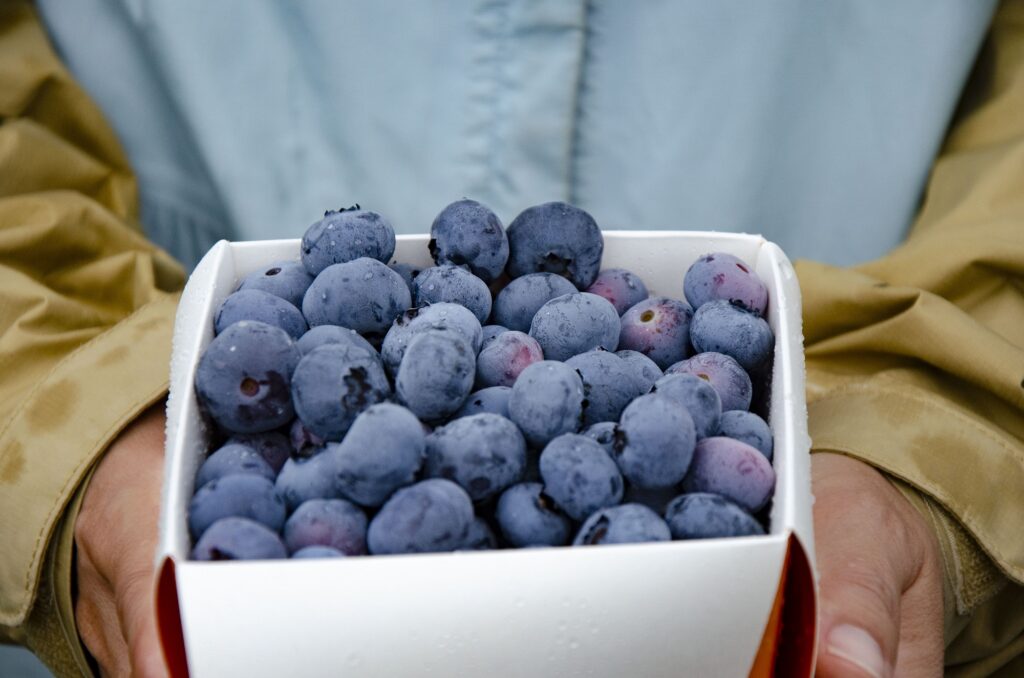
This roadside station is a multipurpose facility that includes a farmers’ market, a restaurant, a visitor center, and the outdoor gear shop mont-bell. I highly recommend going to the farmers’ market as it has a wide selection of regional specialties and souvenirs. You can also buy locally grown fresh fruit as snack or dessert!
Fukushima Rice Terraces
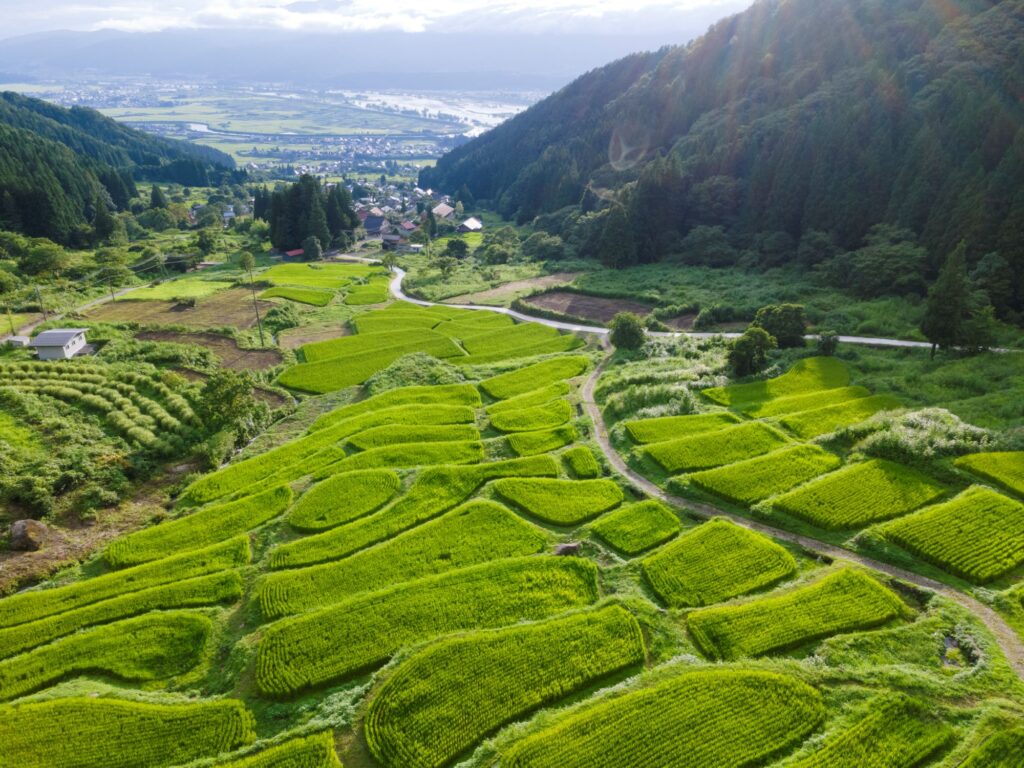
Next, head to the rice terraces in Fukushima-shinden. No, you are not going to do farm work, instead, you are going to capture the beauty of these community-maintained terraces. These terraces feature Edo-period stone walls and are recognized as one of the “100 Selected Terraced Rice Fields in Japan” for their cultural, historical, and scenic values.
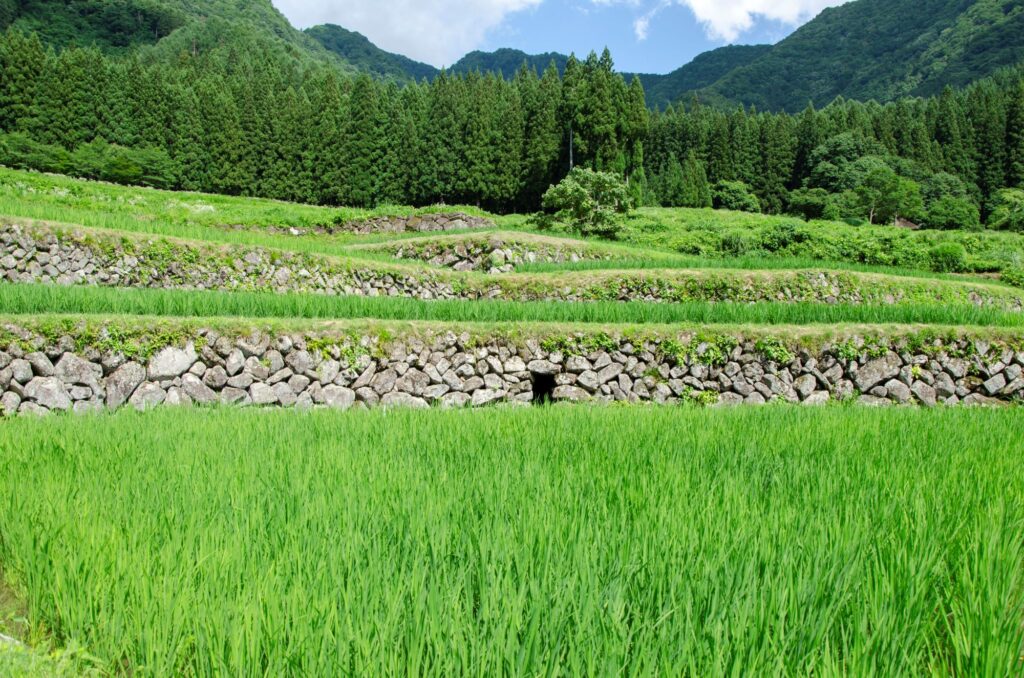
For another time ①
If you are interested in planting or harvesting rice, the community organizes a planting event in May and a harvesting event in September, where visitors and local elementary students participate hands-on.
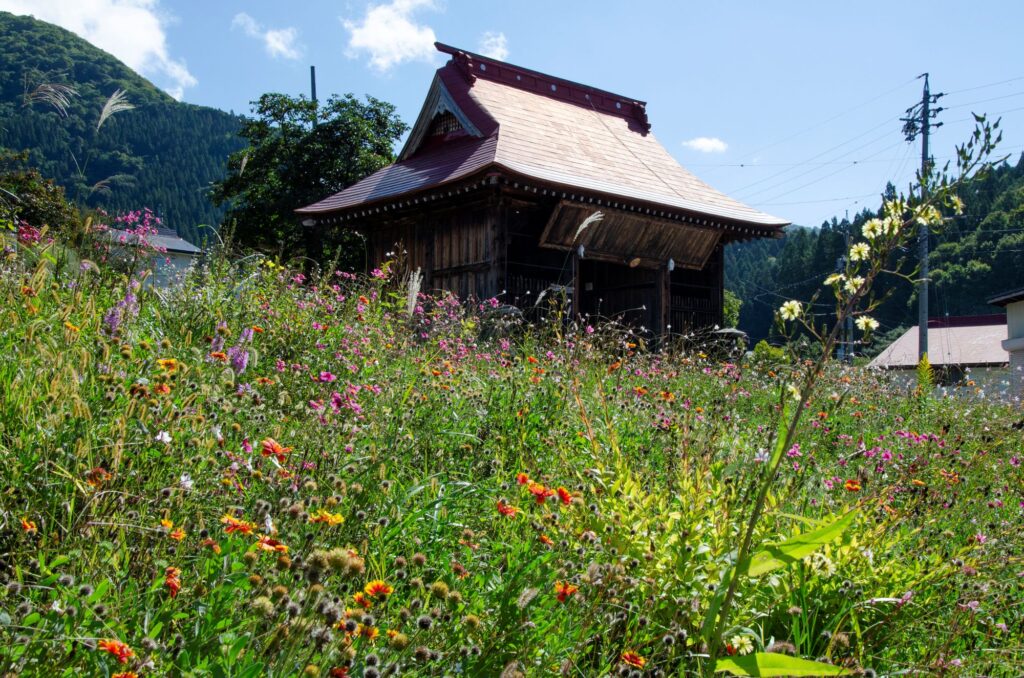
Kosuge Shrine
Next, visit Kosuge Shrine, and don’t miss the chance to photograph the impressive cedar tree path leading to the inner shrine!
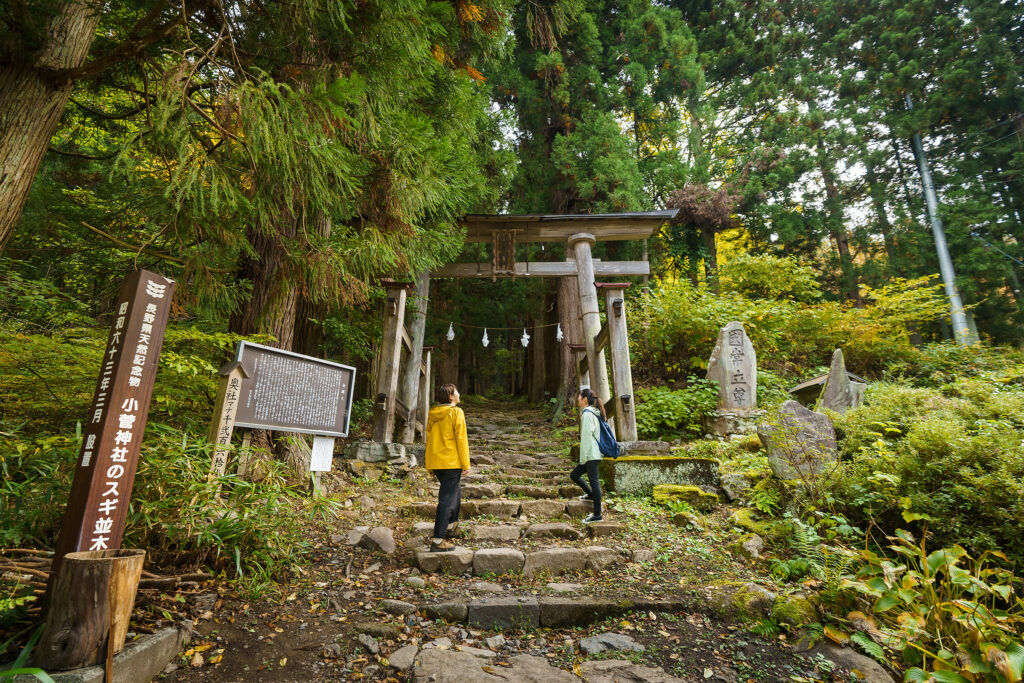
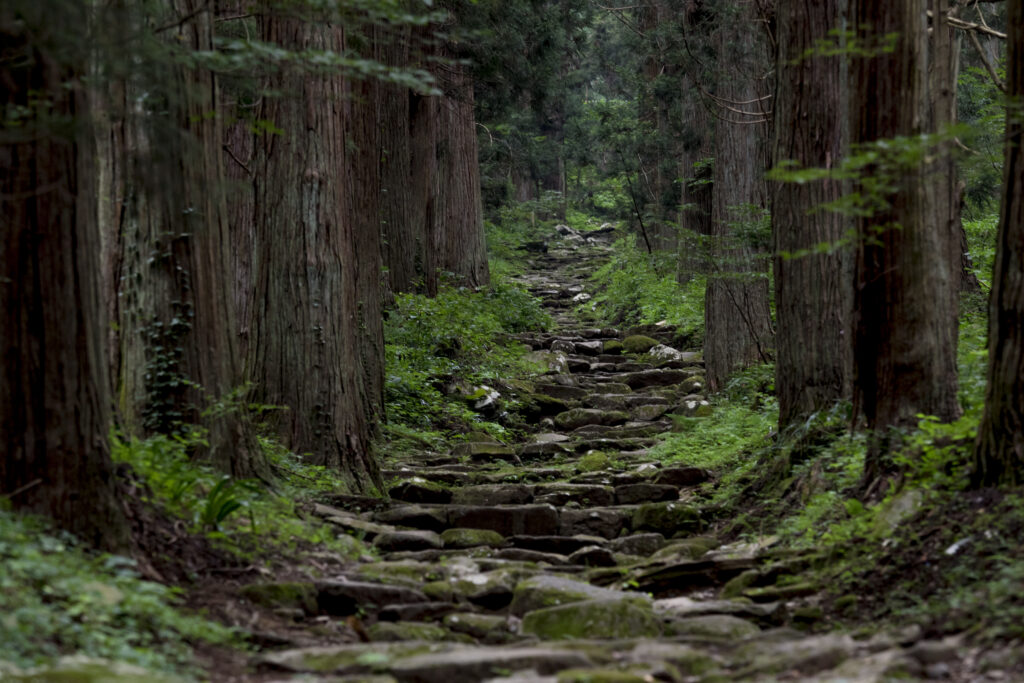
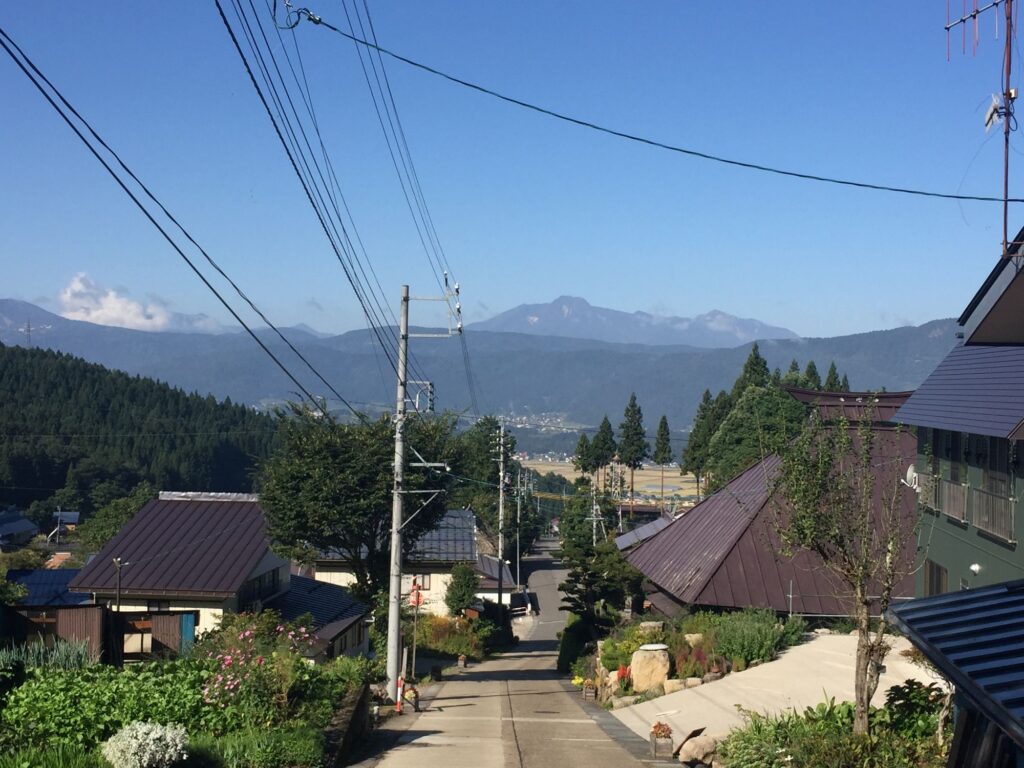
If you have extra time, you can take a stroll around the village since the “Kosuge Village and Mt. Kosuge Cultural Landscape” has been selected as a National Important Cultural Landscape.
For another time ②
The inner shrine and annexed hall are thought to date back to the mid-Muromachi period and are designated as National Important Cultural Properties. The hike up the mountain is physically challenging and takes about 2 hours round trip on steep terrain.
For another time ③
If you are into a more spiritual experience, you can try a Shugendo experience led by a local yamabushi, warrior priests of the Shugendo religion. The village’s sole yamabushi Shida-san will take you on a journey through the quiet forest.
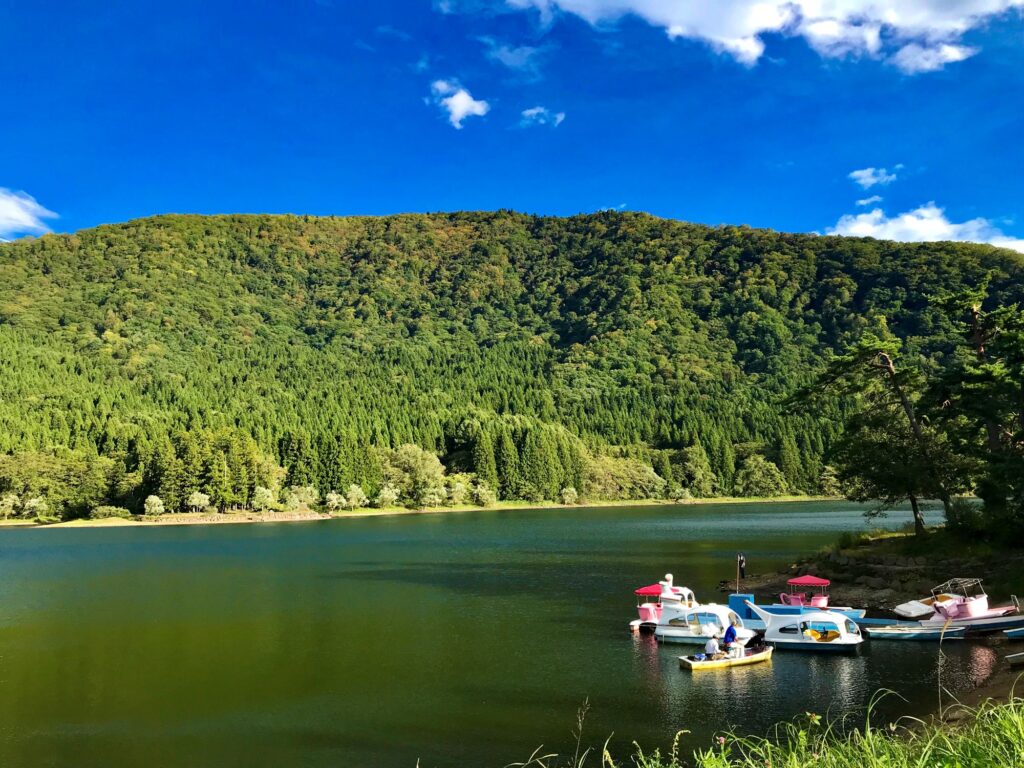
Lake Hokuryuko
Your final stop is the heart-shaped Lake Hokuryuko, a popular spot for couples. Stroll along the lake and capture photos of the striking contrast between the lush green forest and the deep blue water.

Accommodation: Mori-no-Ie
Mori-no-Ie is a lodging and nature program facility with trails, and they offer free shuttle bus service from Togari-Nozawa Onsen Station for overnight guests (upon request when booking accommodation, about 20 minutes one way).
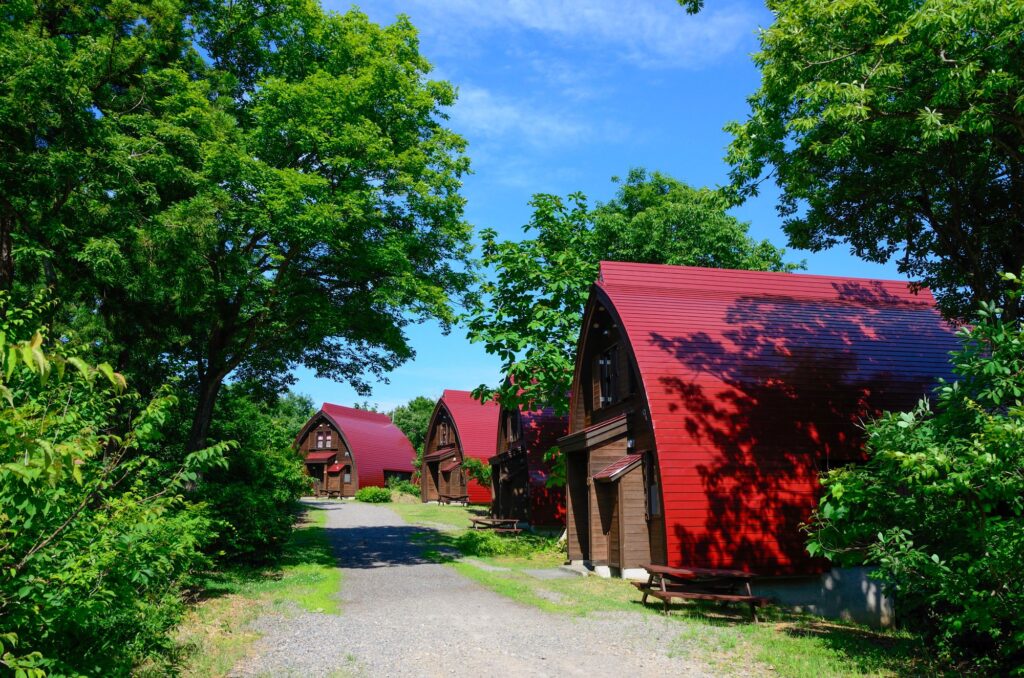
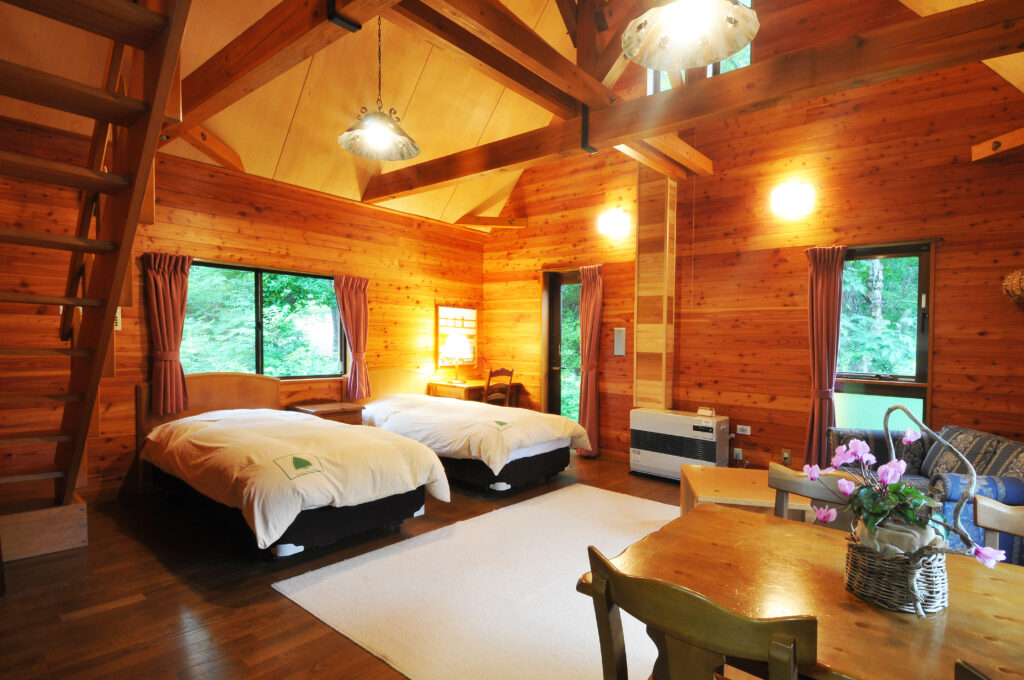
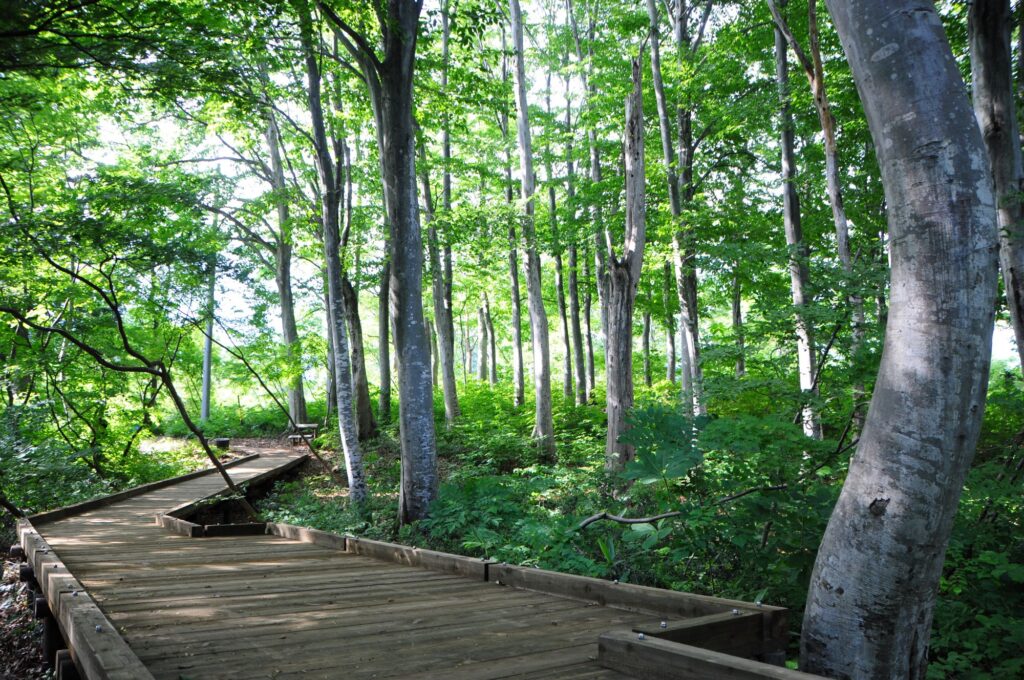
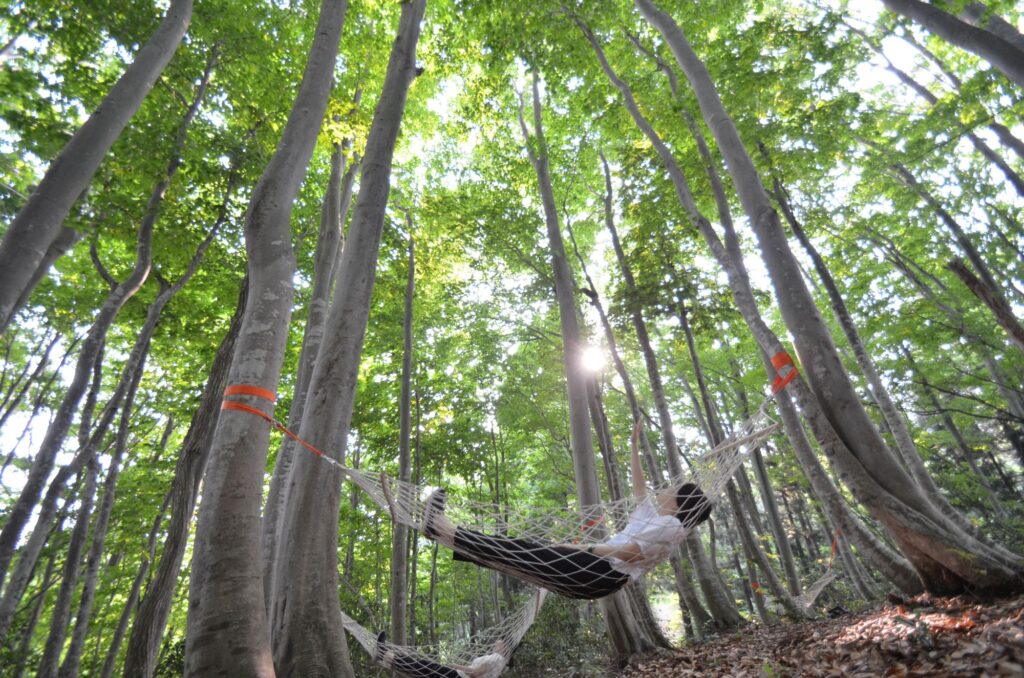
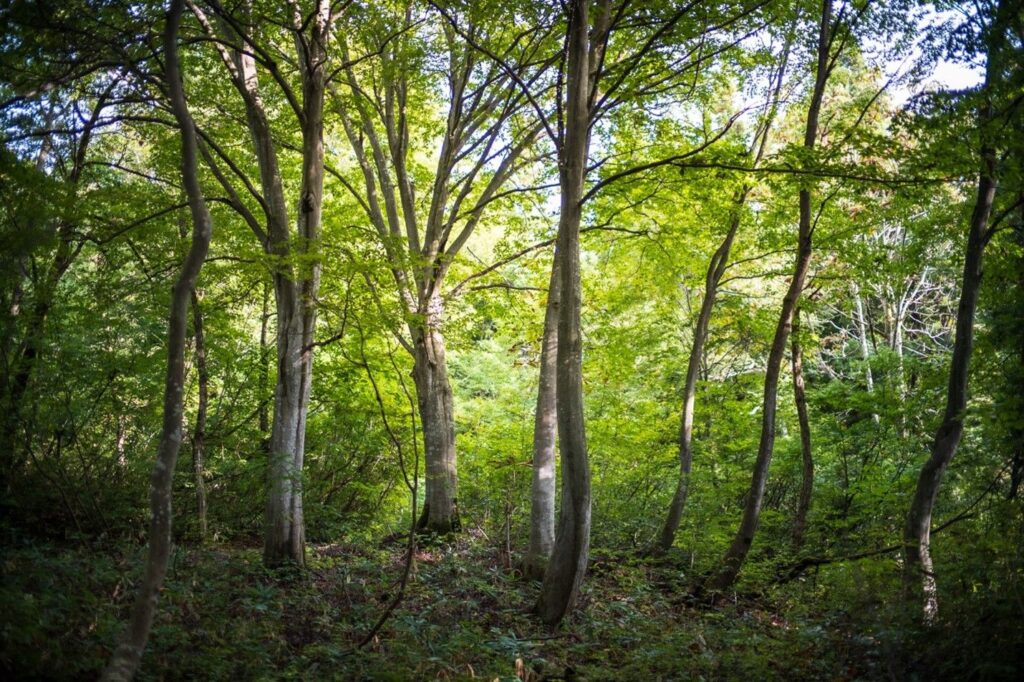
After arriving at Mori-no-ie, check-in at the main building and drop off your luggage at your cabin. You can get maps from the main building and go for a nature walk before dinner. Enjoy a walk through the pristine beech forest, and relax on several hammocks along the way!
Dinner: BBQ Set at Mori-no-Ie
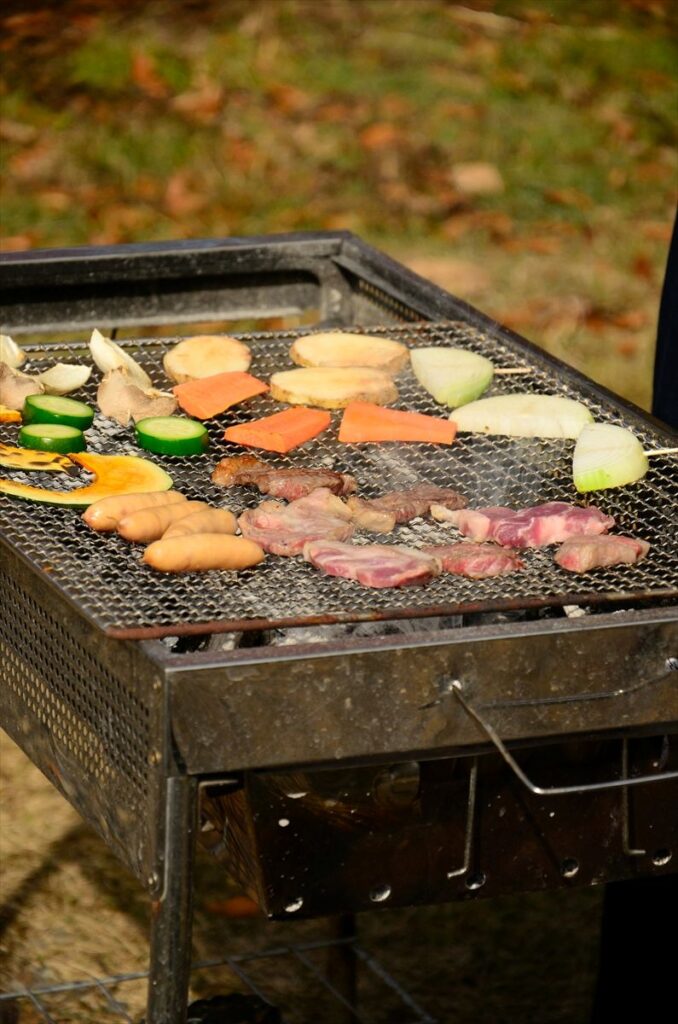
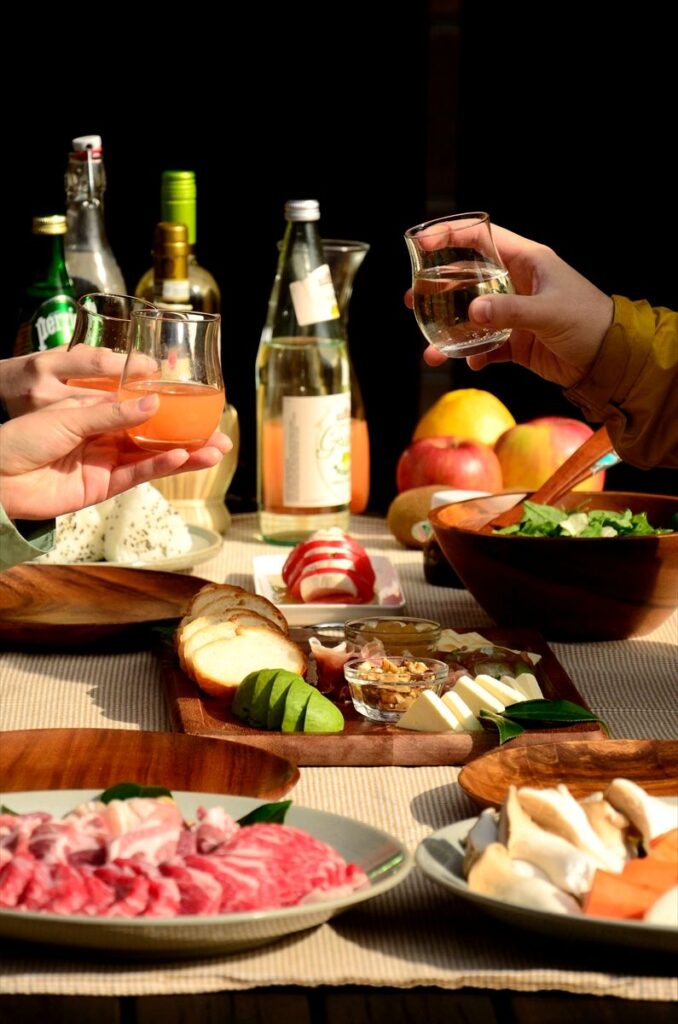
When booking your accommodation, you can select a BBQ Set option. I highly recommend this set as there are no restaurants nearby. This BBQ set features local meat and seasonal vegetables, and provides seasonings and a rental barbecue stove. However, carbohydrates like rice, bread or pasta are not included in this set, so please buy beforehand at a local supermarket or at the roadside station during the taxi plan. You can use the cooking utensils inside the cabin to prepare and cook ingredients that are brought in.
Day 2: Forest Therapy and Historical Iiyama
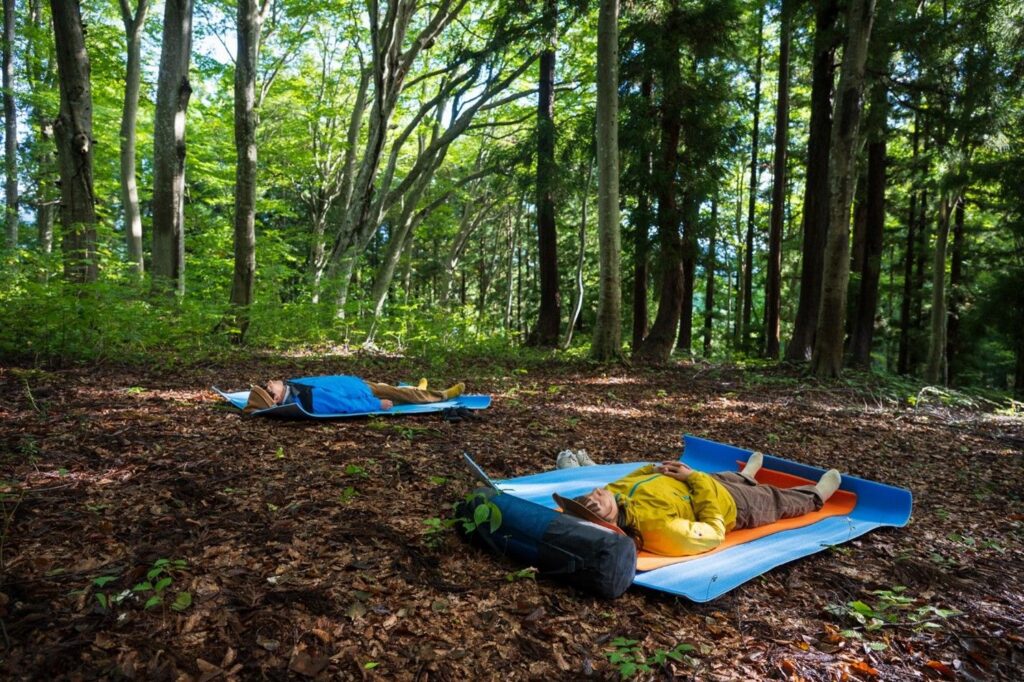
After a relaxing breakfast at the main building, you’ll meet your guide for a 2-hour forest therapy program, beginning at 10:00 am
Forest Therapy Program
Forest bathing (shinrin-yoku) is a Japanese mindfulness practice that uses all five senses to immerse oneself in a forest environment. Scientific research supports its relaxing benefits, showing that spending time in nature can reduce stress, lower blood pressure, and improve immune function.
During this program, you’ll walk through the beech forests along the forest therapy road at Mori-no-ie with a local expert, allowing the calming environment to heal both your mind and body. I’ve taken part in this program before, and I clearly remember one of my groupmates saying that her “stress level dropped just by inhaling the forest’s aroma and listening to the sound of the flowing stream.” I hope you can experience the restorative benefits of forest therapy too!
Lunch: Restaurants near Iiyama Station
After the forest therapy program , you’ll take the free shuttle bus back to Togari-Nozawa Onsen Station, catch the 12:33 train to Iiyama Station, and store your luggage before heading out for lunch.
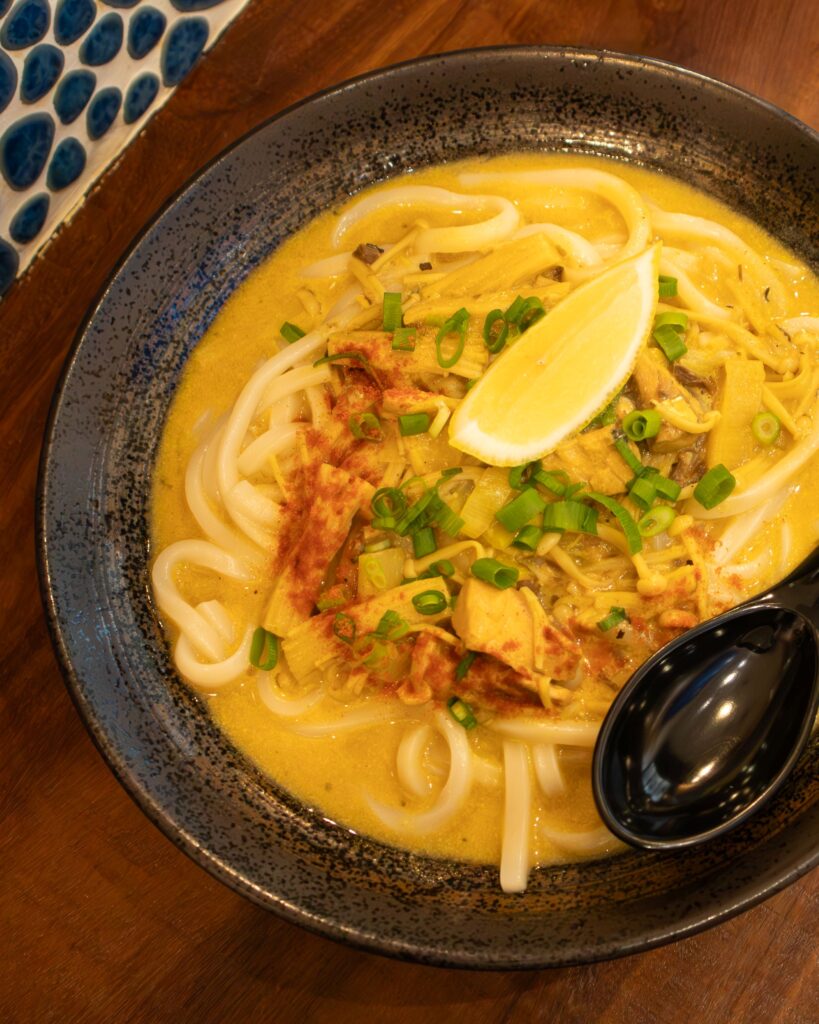
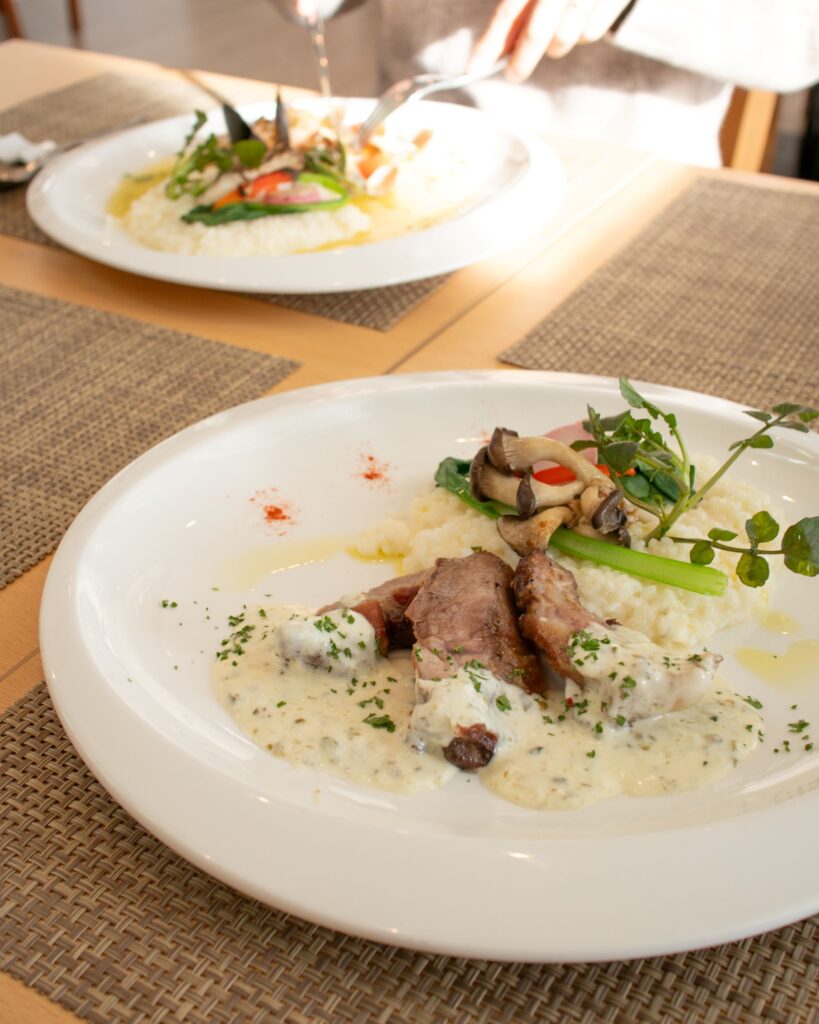
Around Iiyama Station, you’ll find a variety of restaurants serving both Japanese dishes (soba, udon, set meals) and Western options (pasta, crepes, burgers).
After lunch, you will explore the historical part of Iiyama City, which was once a bustling castle town.
Buddhist Altar Street
Japanese poet and novelist Shimazaki Tōson described Iiyama City as the “Little Kyoto in Snow Country” and loved its historical landscape. A 15-minute walk from Iiyama Station brings you to Atago-machi, where you can enjoy a unique glimpse of this “Little Kyoto,” with roofed sidewalks that protect pedestrians from the snow.
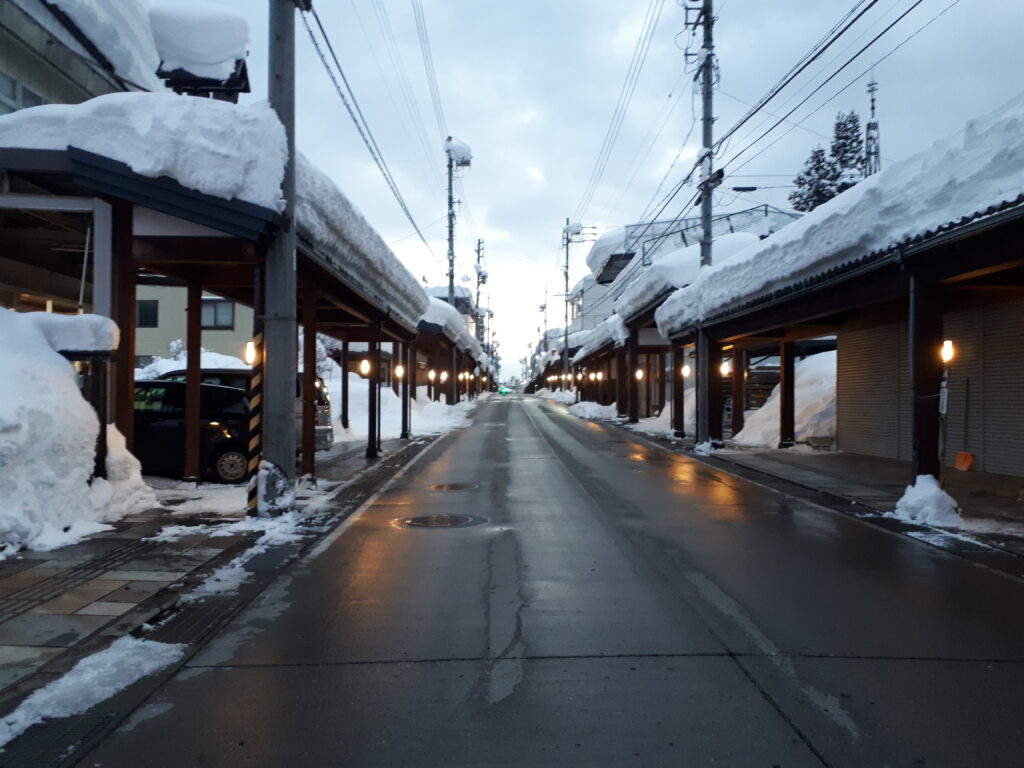
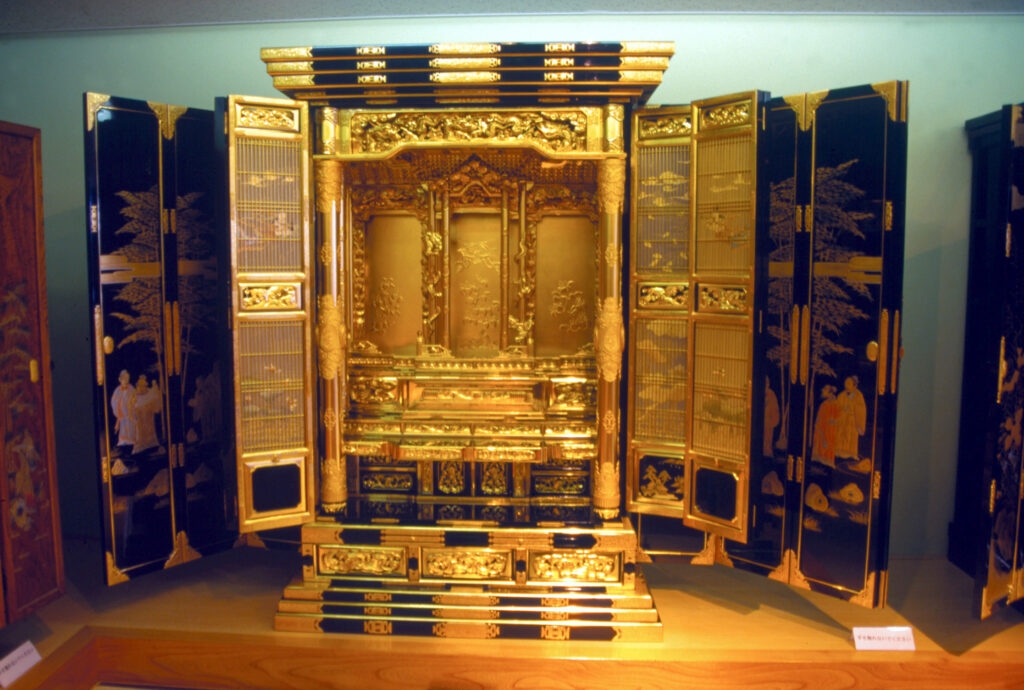
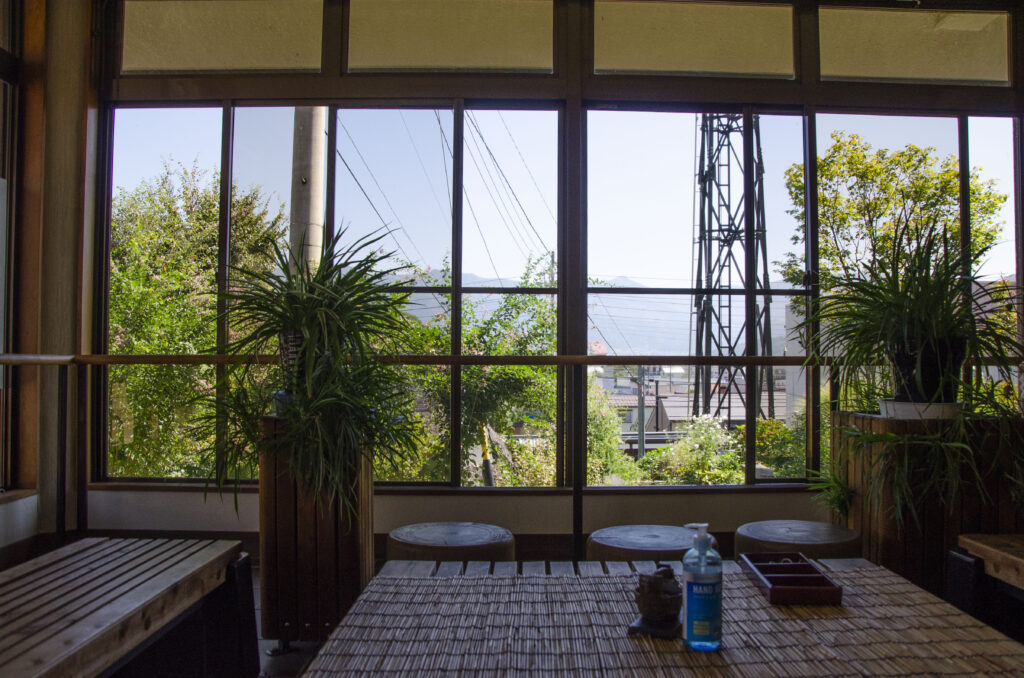
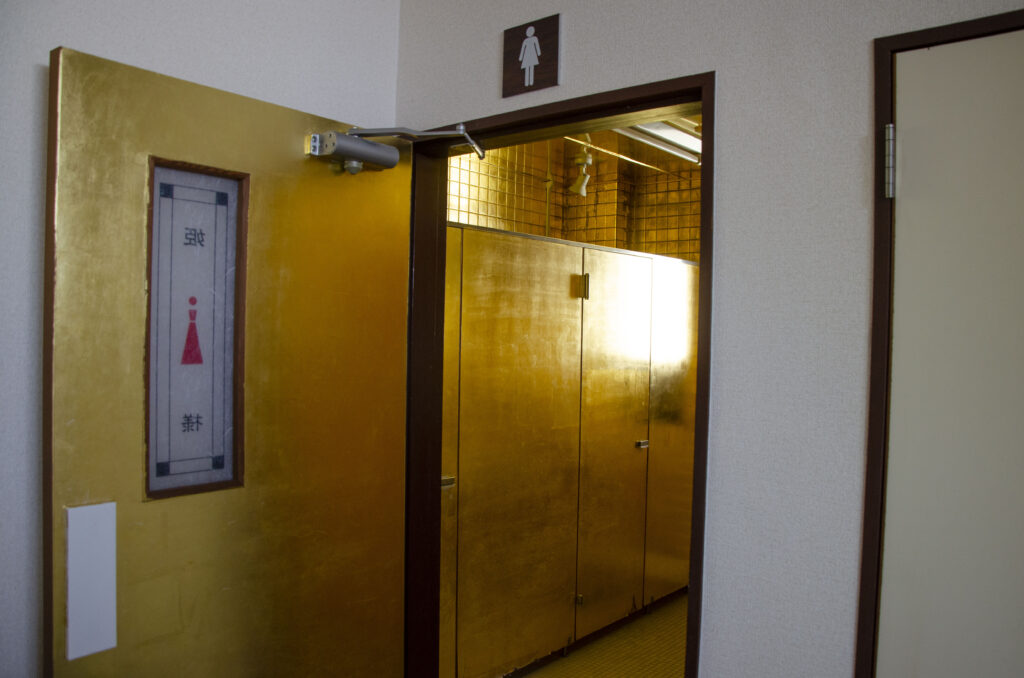
My favorite part about this street is the lanterns hanging on the pillars, which is best seen in the evening with softly glowing lights. Nicknamed “Buddhist Altar Street,” it is lined with shops selling Buddhist altars, and visitors are welcome to enter and admire the detailed craftsmanship. Another must-see are the washrooms inside the Experimental Display Hall “Okushinano,” which are covered in gold leaf.
For another time ④
Iiyama City has many nicknames, one of which is “Town of Temples.” During the Edo period, a new temple would be built whenever a new lord came to power at Iiyama Castle, and today, the city center is home to about 20 temples. A temple promenade runs parallel to Buddhist Altar Street, connecting the temples and offering visitors easy access. I highly recommend visiting again in November to experience the stunning autumn foliage!
Mayumi Takahashi Museum of Doll Art
The Mayumi Takahashi Museum of Doll Art, located at the end of Buddhist Altar Street, showcases dolls crafted by artist Mayumi Takahashi. These dolls depict heartwarming scenes from everyday life in Iiyama, which move the hearts of many visitors, including myself (sometimes I would be at the brink of shedding tears while looking at the dolls). It is a great way to learn about life in rural Japan – things that are ordinary to locals, yet special to visitors.
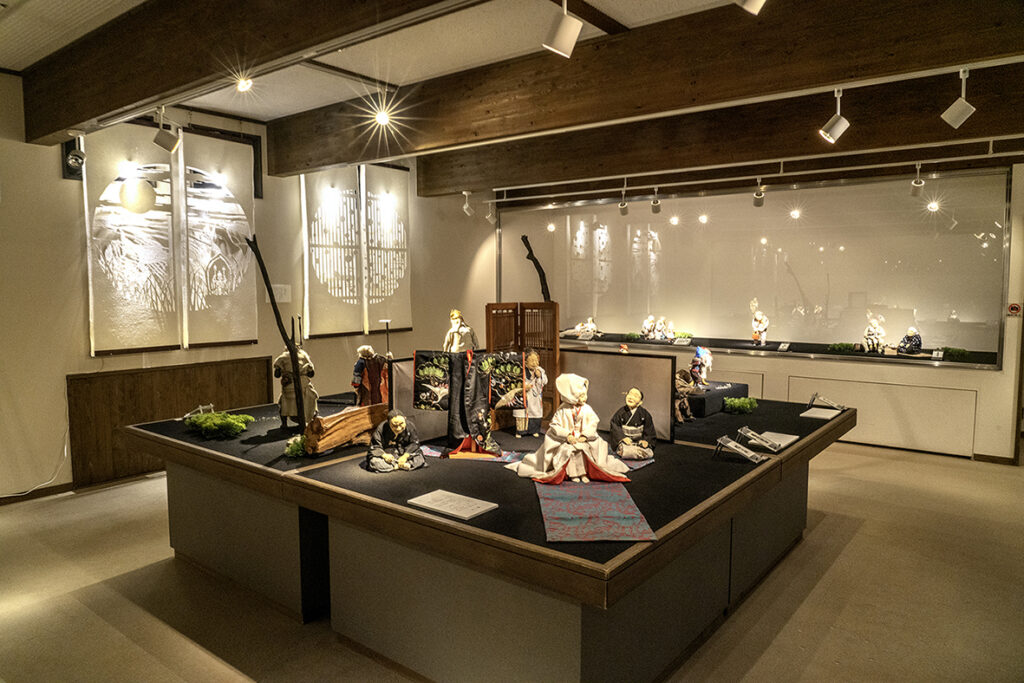

©Mayumi Takahashi Museum of Doll Art
The café inside the museum offers unique desserts that are perfect for an afternoon break.
Iiyama Castle Ruins Park
Near the Doll Museum is Iiyama Castle Ruins Park, which used to be the residence of Iiyama Castle lords. Built on a cliff, the natural terrain served as a strong defensive barrier, which is why it never had a castle tower (tenshukaku). The site was also a key frontline during battles between feudal warlords Uesugi Kenshin (ally) and Takeda Shingen (foe).
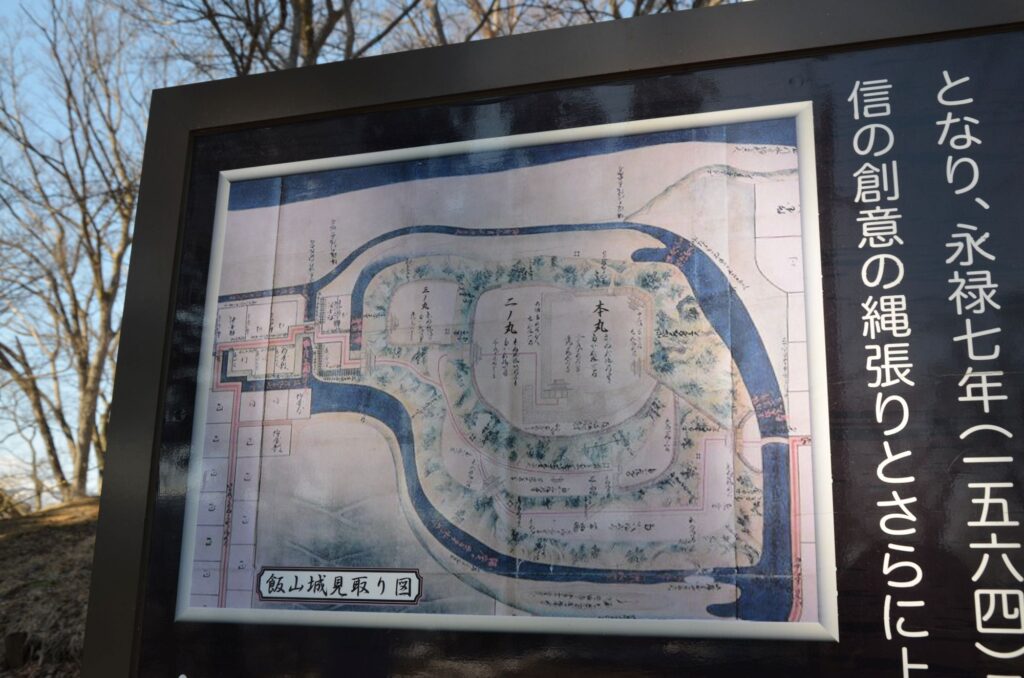
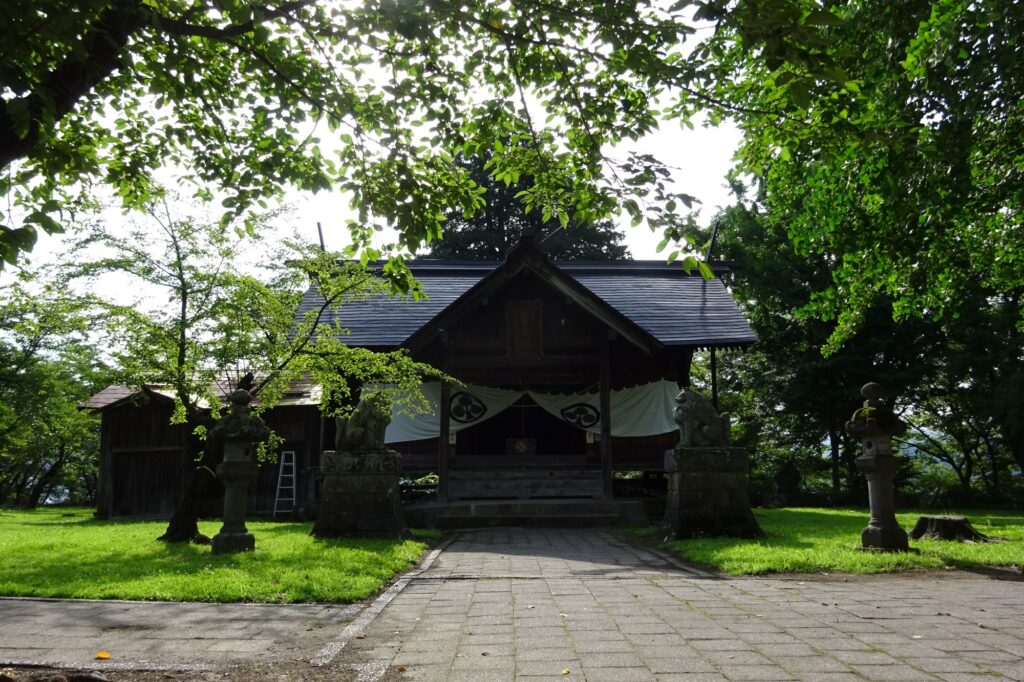
The current stone walls were built in the late Edo Period after the Zenkoji earthquake. It was built using a style common in the Northern Nagano area, featuring plum blossom patterns. At the top is Aoi Shrine, which was built in the Meiji Period, and is the shrine of the Honda clan, who used to rule the Iiyama area.
Accommodation & Dinner: Madarao Kogen Hotel
Walk back to Iiyama Station, retrieve your luggage, and board the bus to your accommodation for the night, Madarao Kogen Hotel.
Madarao Line bus times:
Iiyama Station departure time: 16:20 17:45
Madarao Kogen Hotel arrival time: 16:52 18:15
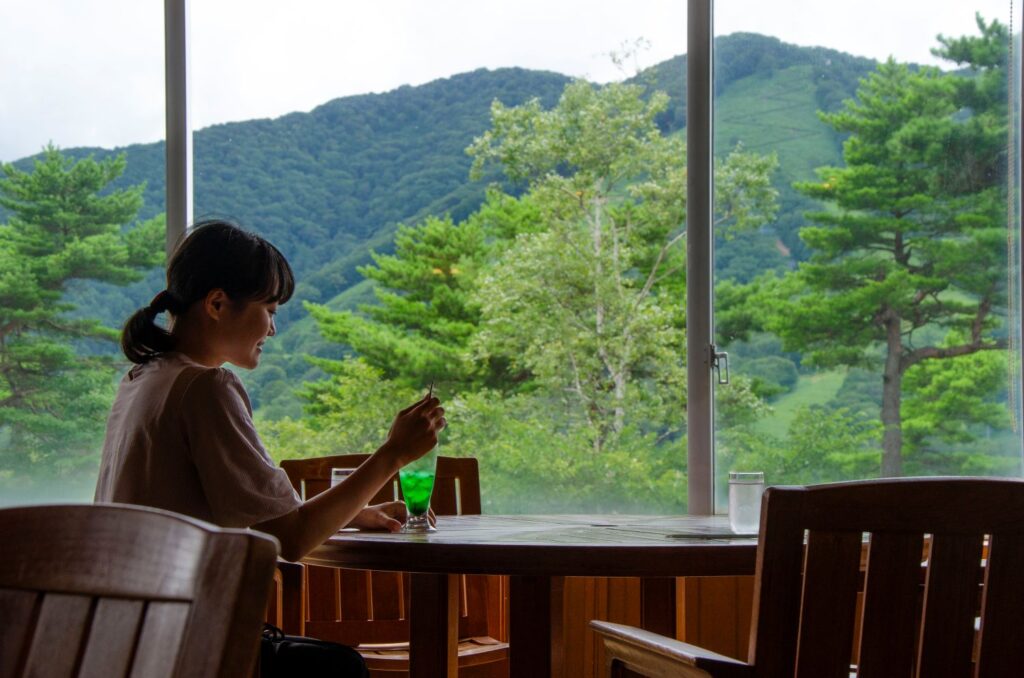
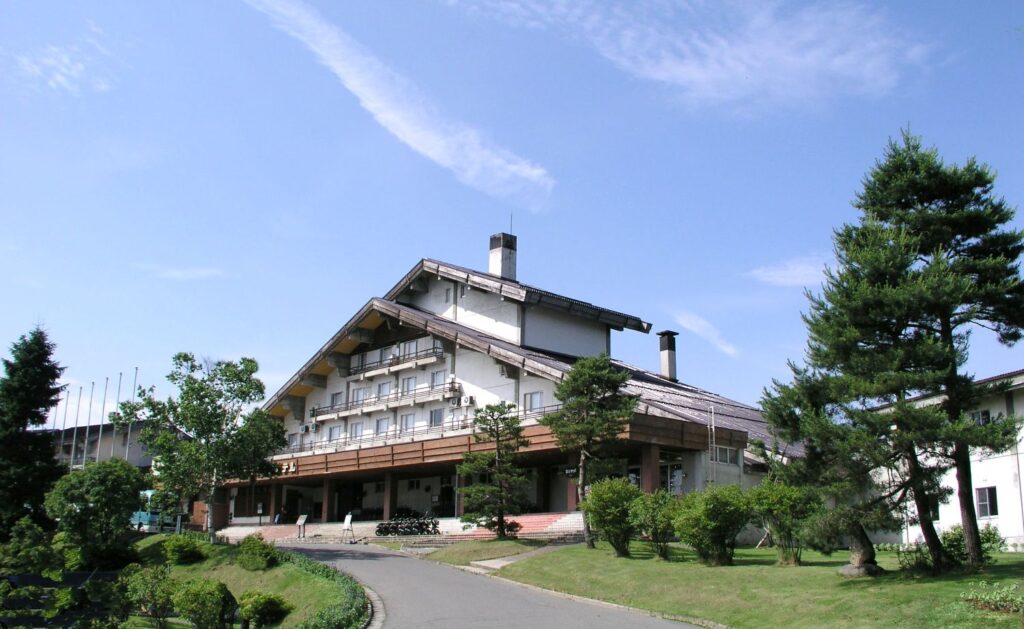
Madarao Kogen Hotel is the largest hotel in the Madarao area, with a bus stop right at its doorstep. As a bonus, the hotel features a hot spring where you can soothe your tired body after a long afternoon of exploring. I highly recommend the hotel’s “All-Inclusive Plan” (available during the green season), which includes a variety of activities and workshops, along with buffet-style dinner and breakfast at the hotel’s main restaurant, “Piedmont.”
Day 3: Activities in Madarao
On the final day, enjoy a leisurely morning at the hotel or pension (if you chose another accomodation)before embarking on a fun cycling adventure.
Cycle Around Madarao
Take a 10-minute walk to Yama-no-Ie, where you can rent an e-bike to tackle Madarao’s slopes, which include paved roads, gravel roads and a dedicated trail course “Furusato no Mori.” The friendly staff at Yama-no-Ie can also recommend a cycling route based on your level and preferences. Notable spots to check out include Lake Nozomiko and the Numanohara Marsh.
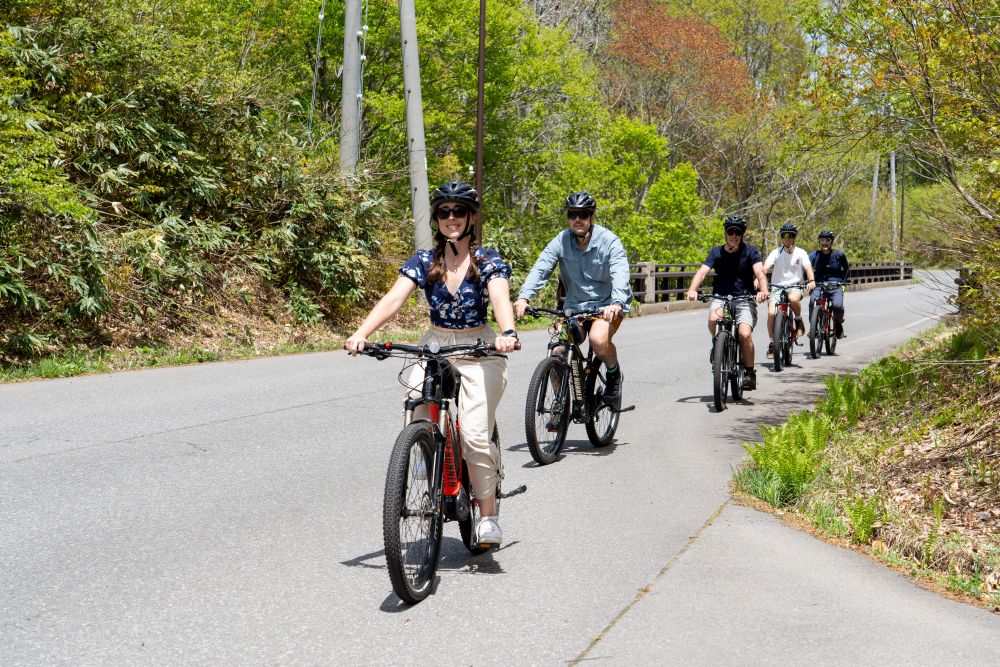
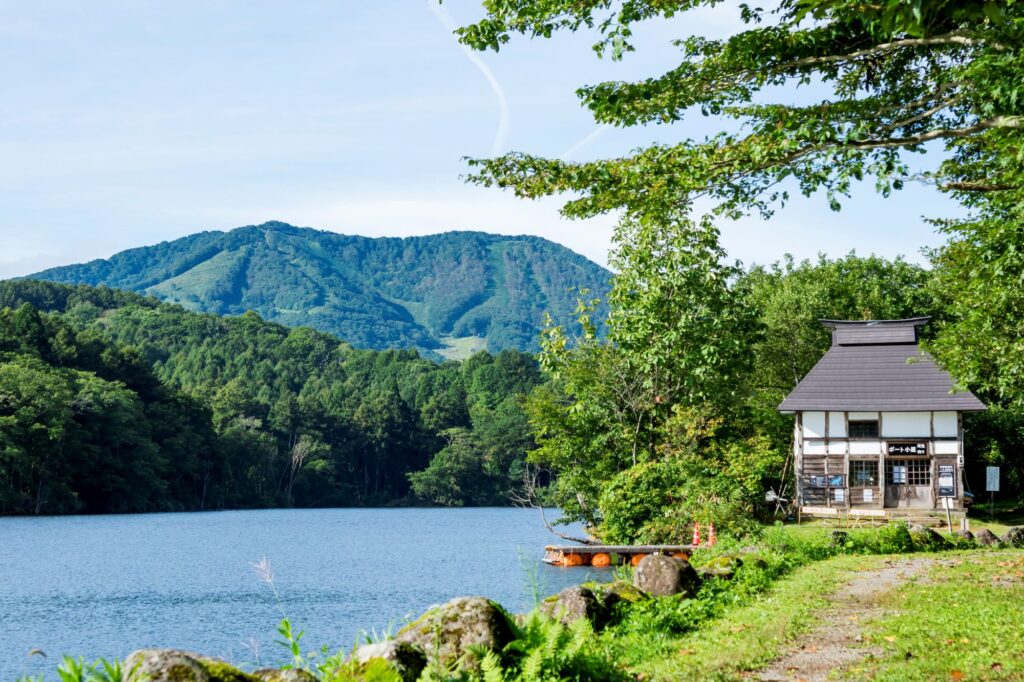
Return the e-bike to Yama-no-Ie when it is time for lunch.
Lunch: Rudolf
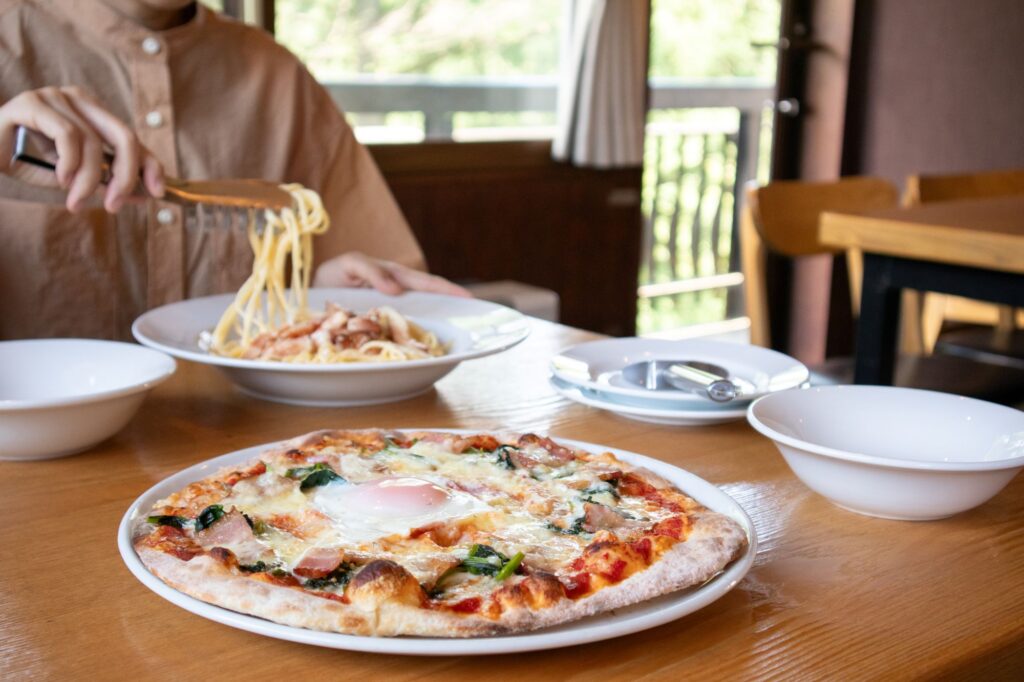
Rudolf is one of the few restaurants open in Madarao during the green season. Featuring a wood-fired oven imported from Italy, it serves mouth-watering pizzas along with other delicious dishes, including pasta.
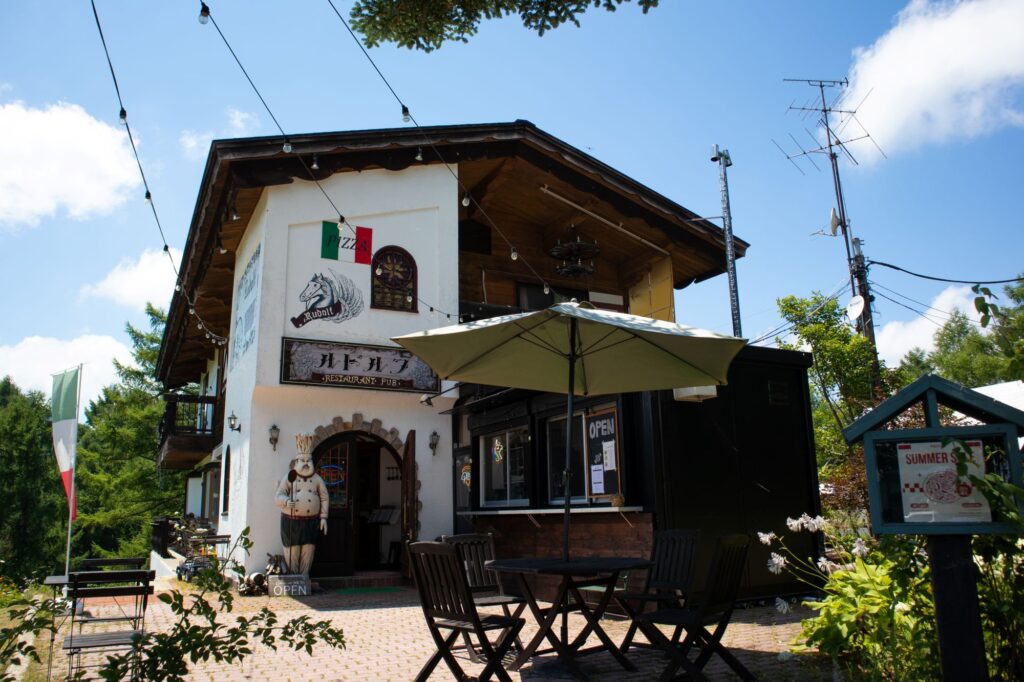
After lunch, head back to the hotel to collect your luggage before taking the bus back to Iiyama Station.
Madarao Line bus time:
Madarao Kogen Hotel departure time: 13:20
Iiyama Station arrival time: 13:50
Connecting shinkansen times:
To Tokyo (via Nagano): 14:13 To Tsuruga (via Kanazawa): 15:02
I hope you have a fantastic summer adventure in Iiyama City!